Electric Vehicle Charging Infrastructure for Emerging Markets
How to build practical EV charging solutions in markets with unreliable grid power. Solar charging, battery swapping, micro-grids, and business models for charging infrastructure in Africa, Latin America, and Southeast Asia.
The Charging Challenge in Emerging Markets
While developed nations debate the merits of Level 2 versus DC fast charging and build extensive public charging networks, emerging markets face a fundamentally different challenge: how do you charge electric vehicles when the electrical grid itself is unreliable, expensive, or unavailable?
In Nigeria, daily power outages last an average of 8-12 hours. In rural Kenya, many communities have no grid connection at all. In the Philippines, electricity costs vary dramatically between islands. Yet these are precisely the markets where electric vehicles offer the most compelling economic advantages over gasoline.
This guide explores practical, proven charging infrastructure solutions designed for the realities of emerging markets.
Understanding the Charging Landscape
Key Differences from Developed Markets
- Grid reliability: Frequent outages (load shedding, brownouts) mean grid-only charging is insufficient for commercial EV operations
- Electricity costs: While often subsidized, actual costs including generator backup can be $0.15-$0.40/kWh depending on the country and source
- Grid capacity: Many local transformers and distribution networks cannot handle concentrated charging loads without upgrades
- Real estate constraints: Limited available land for dedicated charging stations in dense urban areas
- Payment infrastructure: Cash-heavy economies require flexible payment options, often mobile money based
EV Charging Requirements for Light Electric Vehicles
The good news: electric two-wheelers and three-wheelers have much smaller batteries than cars, making charging infrastructure more manageable:
- Electric scooter (60V 20Ah): 1.2 kWh battery, charges in 4-6 hours from a standard outlet (200-300W charger)
- Electric motorcycle (72V 40Ah): 2.9 kWh battery, charges in 5-8 hours (350-500W charger)
- Electric tricycle (72V 100Ah): 7.2 kWh battery, charges in 6-10 hours (800-1200W charger)
A single 15A, 220V outlet can charge 1-2 electric motorcycles simultaneously. A small 5 kW solar system can charge 3-5 electric scooters per day. This modest power requirement is what makes EV adoption practical even in power-constrained environments.
Solution 1: Solar-Powered Charging Stations
How It Works
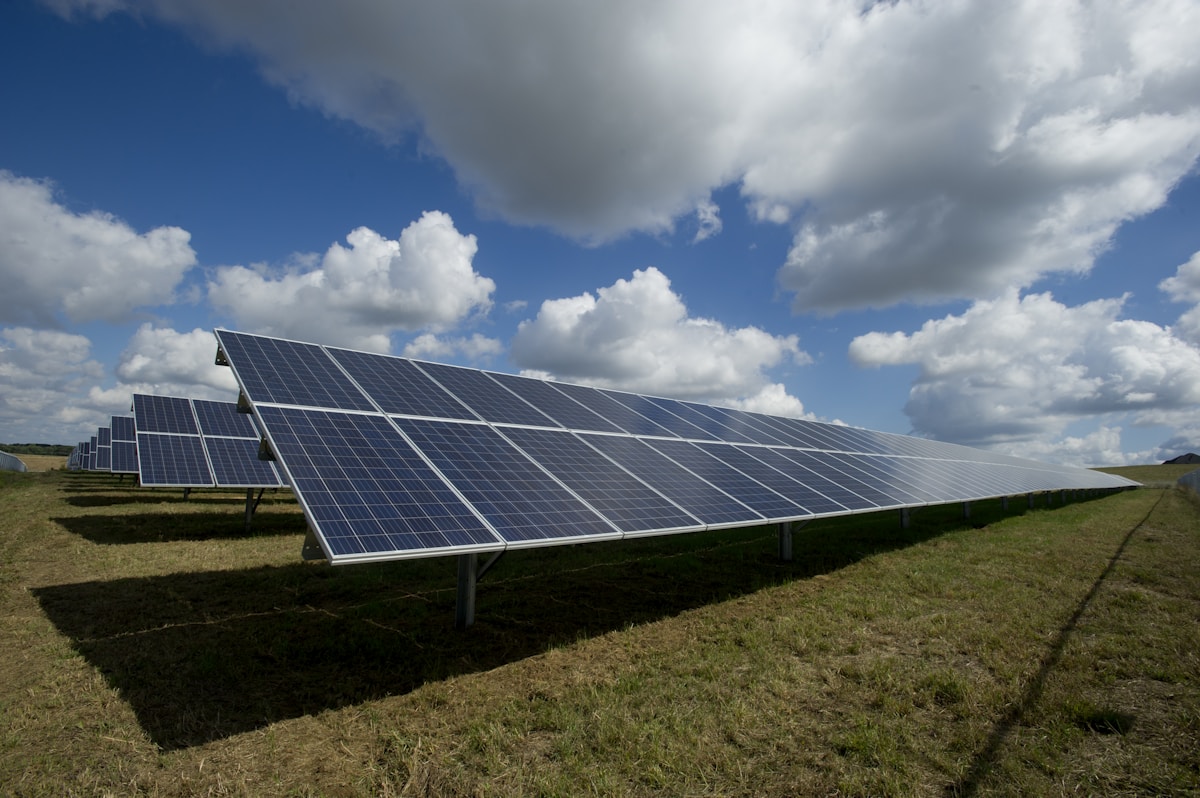
Solar charging stations combine photovoltaic panels with battery storage to create self-sufficient charging hubs that operate independently of the grid:
- Solar panels generate DC electricity during daylight hours (typically 5-6 peak sun hours in tropical regions)
- A charge controller manages power flow to a stationary battery bank (typically lithium or lead-acid)
- An inverter converts stored DC power to AC for vehicle chargers
- Vehicles charge from the stored energy at any time, day or night
System Sizing Examples
| Station Size | Solar Panels | Storage Battery | Daily Capacity | Estimated Cost |
|---|---|---|---|---|
| Micro (1-2 scooters/day) | 1 kW (2-3 panels) | 2.4 kWh | 2-3 charges | $1,500-$2,500 |
| Small (3-5 vehicles/day) | 3 kW (6-8 panels) | 7.2 kWh | 5-8 charges | $4,000-$7,000 |
| Medium (8-15 vehicles/day) | 5-8 kW (12-20 panels) | 15-20 kWh | 12-20 charges | $8,000-$15,000 |
| Large (20+ vehicles/day) | 10-15 kW (25-40 panels) | 30-50 kWh | 25-40 charges | $18,000-$30,000 |
Economics
At a charging fee of $0.50-$1.00 per full charge, a medium solar charging station serving 15 vehicles/day generates $225-$450/month in revenue with near-zero energy costs after the initial investment. Payback period: 18-36 months.
Solution 2: Battery Swapping Networks
Why Swapping Wins in Emerging Markets
Battery swapping, where riders exchange a depleted battery for a fully charged one in under two minutes, is emerging as the dominant charging model in markets with unreliable grids. The advantages are compelling:
- Zero downtime: Riders lose only 2 minutes instead of 4-8 hours for a full charge
- Infrastructure flexibility: Swap stations can be as simple as a kiosk with a rack of batteries and a charging cabinet
- Centralized charging: Batteries are charged at the station during off-peak hours or from solar, optimizing energy costs
- Lower upfront vehicle cost: Vehicles can be sold without batteries (BaaS - Battery as a Service), reducing the purchase price by 30-40%
- Better battery life: Centralized charging with proper temperature management and controlled charge rates extends battery longevity
Setting Up a Swap Station
A basic battery swap station requires:
- Charging cabinet: Accommodates 10-30 battery packs with individual charging slots ($1,500-$5,000)
- Battery inventory: 1.5-2x the number of active vehicles served (e.g., 30 batteries for 20 vehicles) at $150-$350 per battery
- Power supply: Grid connection, solar system, or hybrid (grid + solar + generator backup)
- Management software: Tracks battery health, charge status, and swap transactions
- Physical location: 10-20 square meters, ideally at high-traffic points along popular routes
Revenue Model
Battery swap operators typically charge $0.50-$1.50 per swap (equivalent to one full charge). With 40-60 swaps per day at a busy station, monthly revenue reaches $600-$2,700. Combined with BaaS subscription fees ($15-$30/month per rider), a well-located swap station can achieve profitability within 12-18 months.
Solution 3: Hybrid Grid-Solar-Generator Systems
For operators who need reliability above all else, hybrid systems combine multiple power sources with intelligent switching:
- Primary: Grid power when available (cheapest source in most markets)
- Secondary: Solar power during daylight hours and from storage
- Tertiary: Diesel or gasoline generator for extended outages
- Intelligent controller: Automatically switches between sources based on availability and cost
This approach ensures 99%+ uptime for charging operations while minimizing energy costs. The hybrid controller prioritizes the cheapest available power source and manages battery storage to smooth demand across all sources.
Solution 4: Micro-Grid Community Charging
In rural and peri-urban areas without reliable grid access, community micro-grids serve dual purposes:
- Provide household electricity for lighting, phones, and small appliances
- Offer EV charging as a premium service that generates revenue to sustain the micro-grid
This model is gaining traction in East Africa, where organizations combine solar mini-grids with EV charging to create sustainable rural energy businesses. The EV charging revenue (higher margin than household electricity) cross-subsidizes affordable power for the community.
Payment and Management Systems
Essential Features
- Mobile money integration: M-PESA, Airtel Money, and similar platforms for cashless payment
- Pay-as-you-go: Per-charge or per-swap pricing for occasional users
- Subscription plans: Monthly packages for regular commercial riders (better unit economics)
- Remote monitoring: IoT-connected stations reporting status, revenue, and maintenance alerts via cloud dashboard
- Usage analytics: Track peak demand times, popular stations, and rider behavior to optimize operations
Building Your Charging Infrastructure
Start small and scale based on demand:
- Phase 1: Deploy 2-3 charging or swap points at strategic locations (market areas, transport hubs, popular route endpoints)
- Phase 2: Add solar capacity and battery storage to reduce grid dependence and operating costs
- Phase 3: Expand network to cover all major routes in your operating area
- Phase 4: Introduce BaaS subscription model and partner with vehicle distributors for integrated offerings
Our electric vehicle catalog includes models compatible with standardized swappable battery systems. Contact us to discuss charging infrastructure solutions tailored to your market.